Advanced Hemocompatible Coatings Engineered to Reduce Thrombus Formation

The Problem Landscape

Blood-contacting devices face an unforgiving and reactive biology consisting of multiple biochemical cascade pathways

Every blood-contacting medical device immediately triggers a complex biochemical cascade. Fibrin deposition, platelet adhesion and activation, and inflammatory responses, setting the stage for both acute thrombosis and long-term complications. For implantable and long-dwelling devices, the surface chemistry and texture serve as the critical first line interaction modulating subsequent thromboembolic event sequelae, The thromboembolic event scan result in device failure or other serious adverse events. The wrong coating decision ultimately manifests as device failure, regulatory setbacks, or both.

Thrombus Formation

Surface-induced clot formation remains a leading cause of device failure and patient complication in blood-contacting applications.

Inflammatory and Immune Response

Surface-induced inflammatory responses may activate complement pathways, promoting thrombosis through platelet adhesion and fibrin formation which can compromise device performance.

Regulatory Burden

Animal-derived materials such as porcine heparin demand careful sourcing and a more complex regulatory pathway.

Two paths to hemocompatibility. One partner across both.

Surmodics offers a complete hemocompatible coating portfolio, with both heparin and non-heparin options engineered to fit the clinical use profile of the device. Heparin coatings directly inhibit thrombus formation at the surface by actively preventing fibrin formation in the coagulation cascade. Non-heparin coatings work by non-specifically reducing culprit protein adsorption/activation and platelet adhesion. Each coating solution is supported by deep regulatory experience, biocompatibility data and proven engineering capability to integrate hemocompatible chemistry with hydrophilic lubricity performance on the same device.

Reduced Thrombus Formation

Reduced fibrin deposition demonstrated in preclinical models for improved hemocompatibility.*

Engineered for Biocompatibility

Surface chemistries designed to minimize inflammatory response and support controlled healing.*

Performance for Long-Term Implantation

Durable surface technologies engineered for demanding, high-risk, and long-dwelling applications.

Integrated Multi-Functional Coatings

Hemocompatible and hydrophilic coating systems delivered through a single, validated surface solution.

Where these coatings perform

Trusted across blood-contacting device categories

Surmodics hemocompatible coatings are used across the categories where surface biocompatibility most directly shapes device performance outcomes.

Neurological

Flow diverters, intracranial stents, Embolic protection devices, hydrocephalic shunts, and stroke treatment systems.

Cardiovascular

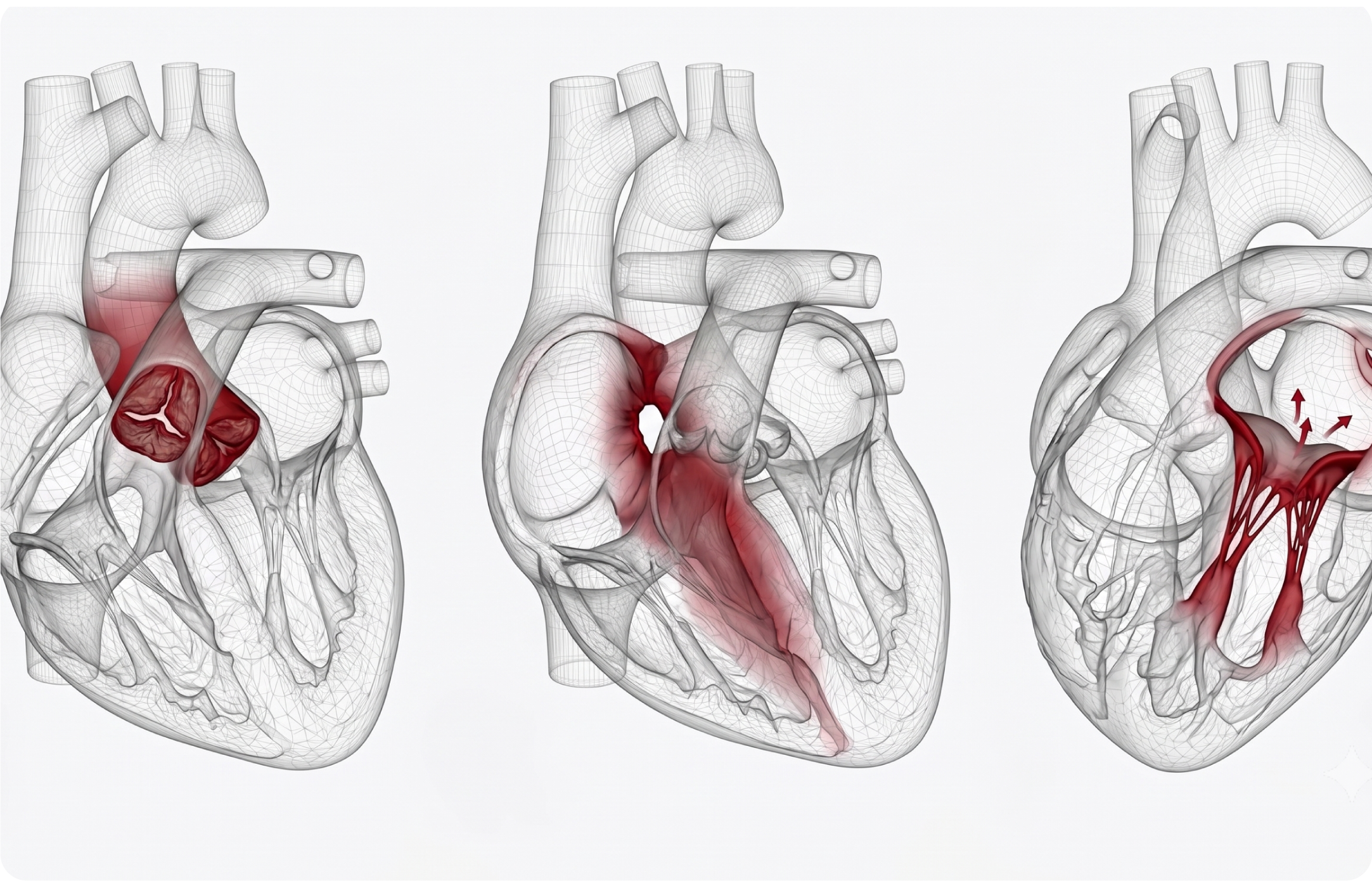
Left atrial appendage devices, septal defect devices, percutaneous heart valves, defect repair delivery systems, and intravascular catheters.

Cardiac Rhythm Management

CRT leads and pacemaker leads where local anti-inflammatory, or anti-fibrotic delivery supports long-term performance.

Peripheral Vascular

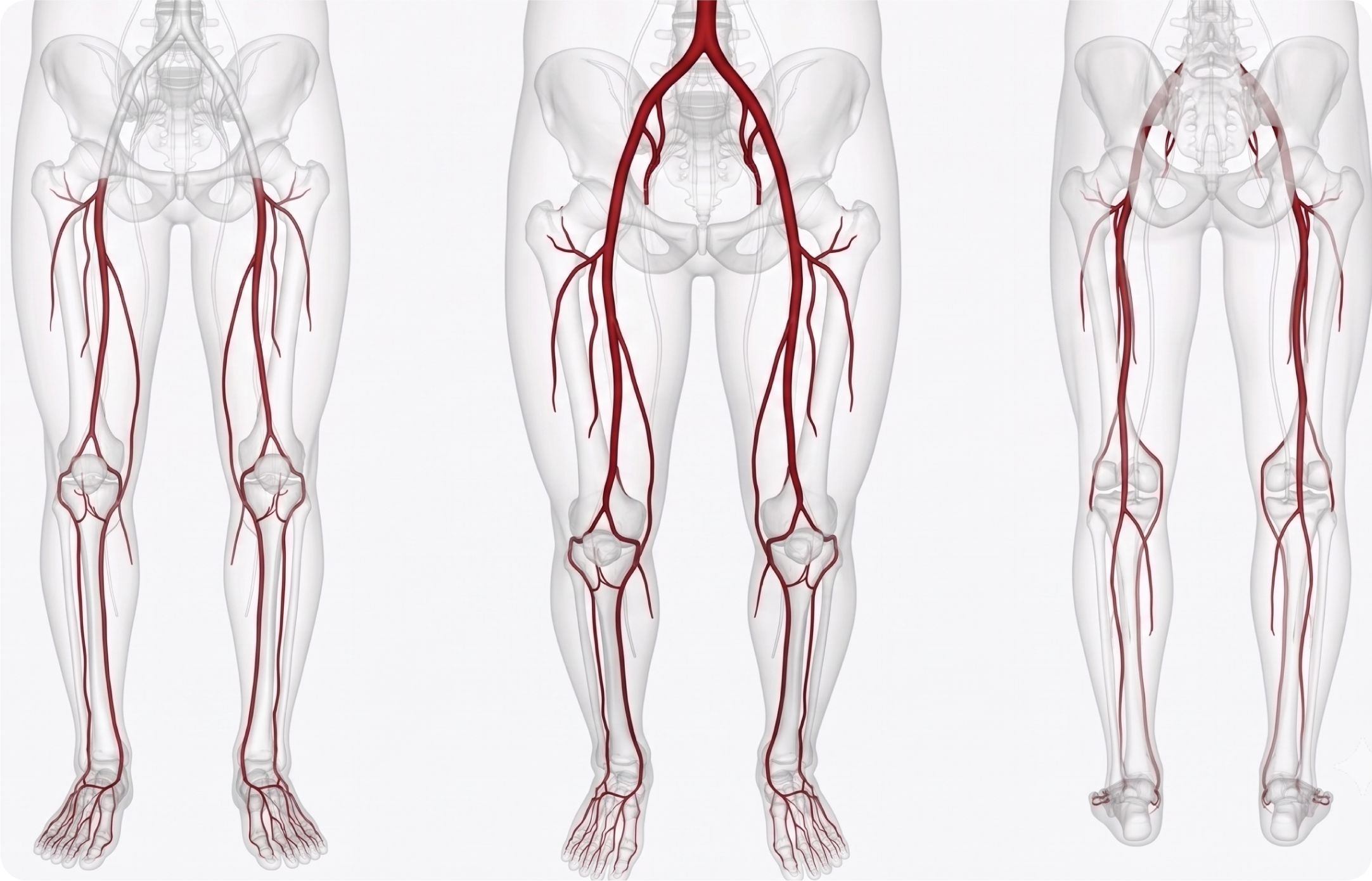
Venous stents, endovascular graft systems, peripheral stent delivery catheters.

Surgical Devices

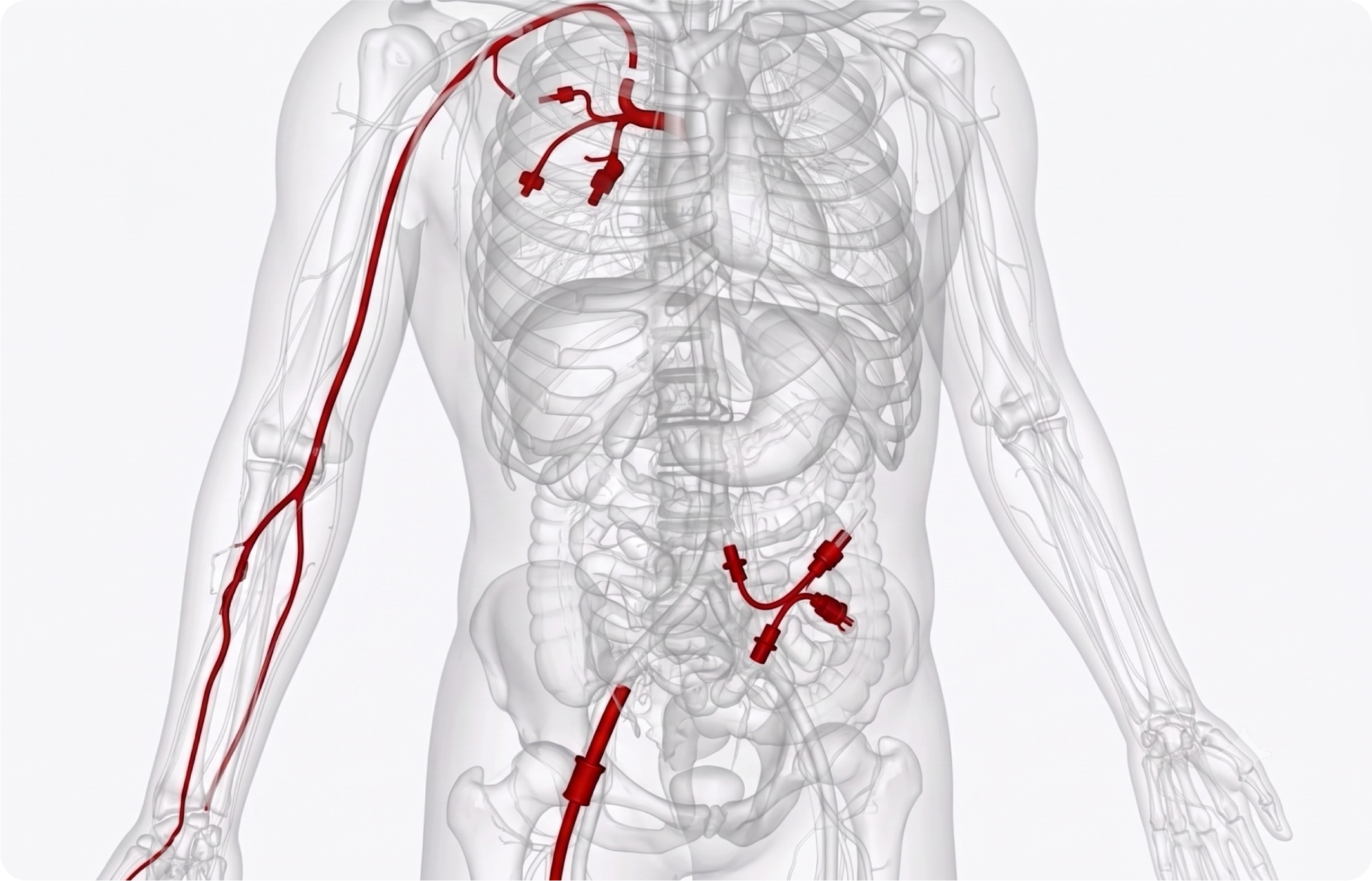
Chest wound drainage systems and other blood-contacting applications.

Diabetes and Sensor-Based Devices

Implantable sensors and continuous monitoring devices where surface biocompatibility shapes signal integrity and device longevity.

Why This Matters

Hemocompatibility is a system decision

Heparin or non-heparin. Short-dwell or implantable. Animal-derived or synthetic. Each path carries its own clinical, regulatory, and manufacturing implications. The companies that get hemocompatibility right are the ones who treat the coating choice as a strategic decision that ties to the device's clinical profile and its regulatory pathway, not as a finishing-step specification.

This is why Surmodics engages at the feasibility stage. Decisions made early in development shape what is possible in validation, what is defensible in regulatory submission, and what is durable in long-term use. The coating system that fits the device is rarely the one that came up first in the conversation. It is the one that emerged from a structured evaluation of clinical use, dwell time, substrate, and regulatory pathway.

Proof and Validation

Performance the data backs up

Quality indicators for blood-contacting devices include biocompatibility, coating durability, and surface characterization. Surmodics partners with clients to satisfy these requirements through structured studies on every commercial reagent, animal-derived material sourcing oversight, and the regulatory experience to navigate the additional submission requirements that apply to heparin-based coatings.

  • More than 150 medical, biotechnology, and pharmaceutical product families currently use Surmodics surface technologies across access and therapy device applications.
  • Decades of clinical and regulatory use across multiple device categories, with active heparin coatings carrying one of the longest safety records in the industry.
  • Almost 50 years of continuous surface technology leadership and formulation development.
Our Commitment to Progress

Built for Performance. Structured for Partnership.

Hemocompatible coatings are only part of the answer. The companies that bring better devices to market faster are the ones working with a partner that brings surface chemistry, regulatory experience, and manufacturing scale to the same conversation.

Performance Depth

Active heparin and passive synthetic coatings, plus layered hemocompatible and hydrophilic systems, developed and validated against demanding clinical use profiles.

Lifecycle Integration

Coating science engaged from feasibility through post-launch support, with the regulatory and quality infrastructure to back every phase.

Flexibility

Active or passive chemistry, single-coat or dual-coat construction, technology transfer or contract manufacturing, calibrated to where you are in the program.

Scale

High-capacity manufacturing, deep regulatory pedigree, and almost 50 years of operational maturity behind every program.

Let's talk about your device

Whether you are evaluating active versus passive options at feasibility, preparing biocompatibility documentation for regulatory submission, or scaling toward commercial launch, Surmodics is built to engage at any stage of the program.

*Data on file

SURMODICS, PRESIDE, SERENE, PHOTOLINK, HYDROBOND and the SURMODICS logo are trademarks of Surmodics Inc. and/or it's affiliates. All other trademarks are trademarks of their respective owners. © 2026 Surmodics, Inc. All rights reserved. SRDX007 06/26